
Quick answer
Hojicha and matcha are both Japanese green teas, but hojicha is roasted, so it turns brown and tastes nutty and toasty with little bitterness and less caffeine. Matcha is shaded and stone-ground, so it is bright green, grassy and stronger.
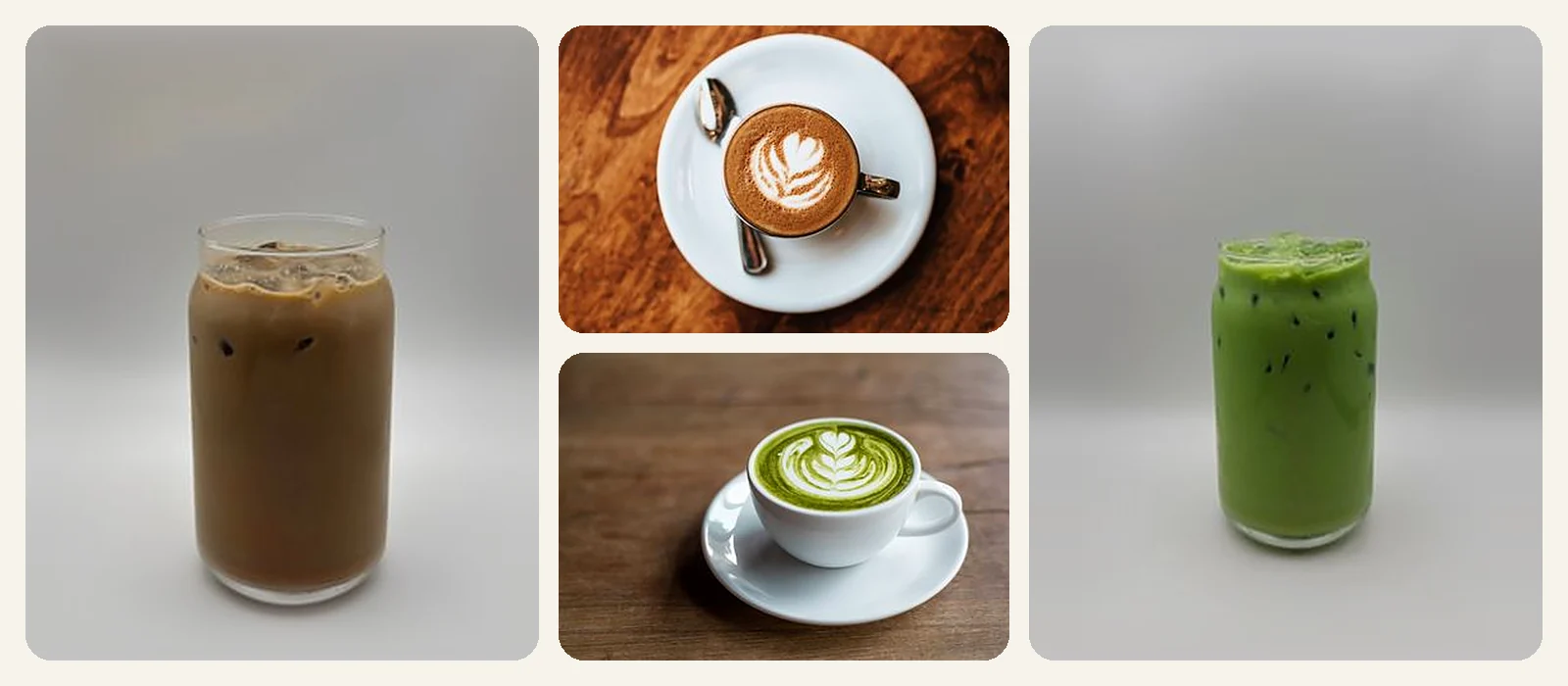
Taste both, side by side
Origin Lab Coffee & Matcha
211 Sutter St (corner of Kearny), San Francisco, CA 94108
Sun to Thu 6 AM to 8 PM · Fri and Sat 6 AM to 9 PM · (415) 660-7969
Hojicha vs Matcha at a Glance
Hojicha and matcha come from the same tea plant and the same country, but they end up as almost opposite drinks. One is roasted until it turns brown; the other is shaded so it stays as green as possible. Here is the short version:
| Hojicha | Matcha | |
|---|---|---|
| Made from | Green tea leaves, usually later-harvest bancha, roasted | Shade-grown leaves (tencha), steamed, dried and stone-ground |
| Key step | Roasting over high heat | Shading for weeks before harvest |
| Color | Reddish brown | Bright green |
| Taste | Toasty, nutty, a little like caramel | Grassy, savory, a gentle bitterness |
| Bitterness | Little to none | Mild to noticeable |
| Caffeine | Lower | Higher |
| Catechins | Many lost in roasting | Very rich |
| Best time | Afternoon or evening | Morning or early afternoon |
| At Origin Lab | Hot Hojicha Latte, Roast Lab Hojicha, Hojicha Strawberry Nimbus | Ten matcha drinks, from the Hot Matcha Latte to the Yuzu Air |
The rest of this guide explains where each difference comes from, so you can pick the one that suits you, or order both.
What Is Hojicha?
Hojicha (say it HO-jee-chah) is Japanese green tea that has been roasted. It is usually made from bancha, the everyday tea picked at the last harvest of the season, though some hojicha uses sencha or kukicha, a tea made from stems and twigs (Hōjicha).
What sets it apart is the fire. Hojicha is roasted at about 150°C (302°F), traditionally in a porcelain pot over charcoal. That roasting turns the leaves brown, gives the tea a nutty smell and a clear reddish color, and leaves very little bitterness behind (Hōjicha).
Hojicha is also young, as Japanese teas go. The method was found by accident in 1920, when a Kyoto tea merchant was left with bancha he could not sell and decided to roast it (Hōjicha). Today it is sold as loose leaves for steeping and as hojicha powder, which cafes whisk into milk for lattes. For a deeper look at this roasted green tea, read our full guide: What Is Hojicha?
And What Is Matcha?
Matcha is green tea grown in the shade for a few weeks before harvest, then steamed, dried, sorted and ground in stone mills into a fine powder (Matcha). You whisk the powder into water or milk and drink the whole leaf.
Shading is what makes matcha green and savory, and grinding is why it is so strong. We cover all of this in our guide to what is matcha, so here we will focus on how it compares with hojicha.
How They Are Made: Shade vs Fire
Most of the difference between the two teas comes from what happens before they reach the cup:
| Step | Hojicha | Matcha |
|---|---|---|
| Growing | Usually grown without shading | Shaded for two to three weeks before picking |
| Leaves used | Often bancha, the last harvest of the season; sometimes sencha or kukicha (stems) | Young, tender spring leaves |
| Heat | Roasted at about 150°C, traditionally in a porcelain pot over charcoal | Steamed briefly, then dried without rolling |
| Final form | Loose roasted leaves, or ground into hojicha powder | Always a fine powder |
| How you drink it | Steeped like tea, or powder whisked into milk for a latte | Whisked into water or milk; you drink the whole leaf |
Put simply, matcha is protected from heat and light to keep its fresh, green character. Hojicha is pushed through high heat on purpose to replace that character with a roasted one.
Taste: Toasty vs Grassy
This is the difference you notice first.
- Hojicha tastes toasty, nutty and lightly sweet. Our menu describes the Roast Lab Hojicha as having "rich, toasted caramel notes". There is almost no bitterness, and the aroma is closer to roasted nuts than to tea.
- Matcha tastes fresh, grassy and savory, with a gentle bitterness at the end. Good matcha also has umami, the brothy flavor that comes from the amino acids kept by shading.
With milk, the gap stays clear. A hojicha latte tastes warm and cozy, a bit like a mild coffee latte with no edge. A matcha latte tastes creamy and green. If you drink coffee every day but are curious about tea, hojicha is usually the easier first step.
Try them side by side
Order a Hot Hojicha Latte and a Hot Matcha Latte at the same time and take alternating sips. It is the fastest way to learn the difference, and it costs $14.00 for the pair.
Caffeine: Which Has Less?
Hojicha has less caffeine than matcha. The high-heat roasting process lowers the amount of caffeine in the tea (Hōjicha).
Matcha is at the other end of the tea scale. Healthline puts it at 19 to 44 mg of caffeine per gram of powder, and Harvard's School of Public Health notes that matcha has more caffeine than other teas, though less than coffee (Harvard T.H. Chan School of Public Health).
Two things to keep in mind:
- Lower is not zero. Hojicha still contains caffeine. If you avoid caffeine completely, choose a drink with no tea or coffee.
- The drink matters. A latte made with a lot of powder can have more caffeine than a light cup of steeped tea, whatever the tea.
Bitterness and Catechins
Green tea's slightly dry, bitter edge comes mostly from catechins, the antioxidant compounds green tea is known for. The two teas sit at opposite ends here too:
- Matcha keeps them. A 2021 review in the journal Molecules calls matcha the best condensed source of catechins, EGCG among them.
- Hojicha loses many of its catechins during high-temperature roasting, which is exactly why it tastes so smooth (Hōjicha).
So "healthier" depends on what you are after. If you want the green tea compounds, matcha keeps more of them. If bitterness or caffeine is what puts you off tea, hojicha is the gentler choice. Neither is a medicine, and either is best enjoyed without much added sugar, which is why all our drinks come unsweetened unless you ask.
When to Drink Hojicha vs Matcha
Because the caffeine levels differ, many people simply switch by time of day:
| Time of day | Pick | Why |
|---|---|---|
| 6 AM to 10 AM | Matcha | More caffeine for the start of the day |
| Lunch to mid-afternoon | Either one | Matcha for focus, hojicha for something gentler |
| Late afternoon | Hojicha | Lower caffeine, so it is easier on your evening |
| After dinner | Hojicha | Japan's classic evening tea |
In Japan, hojicha is a popular tea with the evening meal and before sleep, and it is often the tea served to children and older people (Hōjicha). We open at 6 AM, so a morning matcha before work is easy too; see our guide to the coffee shop that opens at 6 AM.
Hojicha and Matcha Drinks at Origin Lab
Every hojicha drink on our menu has a matcha twin, so you can compare them fairly:
| Style | Hojicha | Matcha |
|---|---|---|
| Hot latte | Hot Hojicha Latte, $7.50 | Hot Matcha Latte, $6.50 |
| Iced, no flavored cloud | Roast Lab Hojicha, $7.75 | Pure Matcha Lab, $7.75 |
| With strawberry cloud | Hojicha Strawberry Nimbus, $7.95 | Matcha Strawberry Nimbus, $7.95 |
The two strawberry versions share the same pink cloud and dried strawberry; only the tea underneath changes. Our guide to strawberry matcha in San Francisco compares them in more detail. For the full lineup of names like Lab, Cloud and Nimbus, read the Origin Lab menu explained, and if you like a nutty flavor with matcha, try the Ube Matcha Nimbus.
Hojicha or Matcha: Which Should You Order?
| If you | Start with | Order |
|---|---|---|
| Love coffee, caramel or nutty flavors | Hojicha | Hot Hojicha Latte |
| Find matcha too grassy or bitter | Hojicha | Roast Lab Hojicha (iced) |
| Want more caffeine | Matcha | Hot Matcha Latte or Pure Matcha Lab |
| Like fresh, green, savory flavors | Matcha | Pure Matcha Lab |
| Want something sweet and fruity | Either | Hojicha or Matcha Strawberry Nimbus |
| Cannot decide | Both | One hojicha and one matcha latte, side by side |
In the matcha vs hojicha choice, there is no wrong answer. Many people drink matcha in the morning and switch to hojicha later in the day.
Where to Try Hojicha and Matcha in San Francisco
Origin Lab Coffee & Matcha is at 211 Sutter St, on the corner of Kearny, between Union Square and the Financial District. It is a short walk from Montgomery BART and about six minutes on foot from the Union Square plaza. For walking routes from nearby hotels, see matcha near Union Square, and for how to judge any matcha you try around the city, read the best matcha in San Francisco.
Try both
Order a hojicha latte and a matcha latte ahead and pick them up at 211 Sutter St.
Frequently Asked Questions
What is the difference between hojicha and matcha?
Both come from the same tea plant, but they are made in opposite ways. Matcha leaves are shaded and ground raw, so the tea is green, grassy and strong. Hojicha leaves are roasted, so the tea is brown, nutty and mellow.
Does hojicha have less caffeine than matcha?
Yes, as a rule. The high-heat roasting lowers the caffeine in hojicha. Matcha sits at the top of the tea scale, with about 19 to 44 mg of caffeine per gram, according to Healthline. Hojicha is lower, but it is not caffeine-free.
What does hojicha taste like?
Hojicha tastes toasty, nutty and lightly sweet, with almost no bitterness. People often compare it to roasted nuts, caramel or toasted rice. With milk, a hojicha latte tastes warm and cozy, closer to a mild coffee than to green tea.
Is hojicha healthier than matcha?
Neither is a medicine, so it depends on what you want. Matcha keeps more catechins, the antioxidants green tea is known for. Hojicha loses many of them when roasted, but it is gentler, with less bitterness and less caffeine.
Is hojicha a green tea?
Yes. Hojicha starts as Japanese green tea, usually bancha from the last harvest of the season, sometimes sencha or kukicha. It is roasted at a high heat, which turns the leaves brown, but the tea itself was never oxidized like black tea.
Why is hojicha brown?
Roasting changes the leaf. Hojicha is roasted at about 150°C, traditionally in a porcelain pot over charcoal, and that heat turns the leaves and the tea a reddish brown. It is the same reason toast is darker than bread.
Can I drink hojicha at night?
Many people do. In Japan, hojicha is a popular tea with the evening meal and is often served to children and older people, because roasting lowers its caffeine. It still has some caffeine, so go easy if you are sensitive to it.
Is hojicha bitter?
Hardly. Roasting removes many of the catechins that make green tea taste bitter and dry, so hojicha has little to no bitterness. That makes it a good choice if you find matcha too grassy or too strong on its own.
Where can I get hojicha in San Francisco?
Origin Lab Coffee & Matcha at 211 Sutter St serves a Hot Hojicha Latte ($7.50), an iced Roast Lab Hojicha ($7.75) and a Hojicha Strawberry Nimbus ($7.95). It is about a 6-minute walk from Union Square and opens at 6 AM.
Which should I try first, hojicha or matcha?
If you like coffee, caramel or nutty flavors, start with hojicha. If you like fresh, green flavors or want more caffeine, start with matcha. Better still, order a hojicha latte and a matcha latte together and taste them side by side.
Roasted and mellow, or shaded and green: the best way to choose is to taste both. Come compare them at 211 Sutter St.