
Quick answer
Hojicha is Japanese green tea that has been roasted until its leaves turn reddish brown. Roasting swaps the grassy taste of green tea for a toasty, nutty, lightly sweet flavor with almost no bitterness. You can steep it as a tea or whisk the powder into milk for a hojicha latte. Near Union Square, Origin Lab at 211 Sutter St serves a Hot Hojicha Latte ($7.50), an iced Roast Lab Hojicha ($7.75) and a Hojicha Strawberry Nimbus ($7.95).
Name
Hōjicha (ほうじ茶)
Means
Roasted tea
Say it
HOH-jee-chah
Born
Kyoto, 1920
Made from
Bancha, sencha or stems
Roasted at
About 150°C (302°F)
Color
Reddish brown
Caffeine
About 20 mg per 100 ml, brewed
Pour a cup of hojicha and the first thing you notice is the smell: warm, nutty and a little like toasted rice. That smell is the whole idea. Hojicha takes ordinary green tea and puts it over heat until it stops tasting like green tea at all.
This guide explains what hojicha is, how it is made, why roasting changes the flavor and the caffeine, the different kinds you will find, and how to brew it at home or order it in San Francisco.
What Is Hojicha?
Hōjicha (ほうじ茶) means "roasted tea" in Japanese. It is a green tea from the same plant as matcha and sencha, Camellia sinensis, but where most Japanese green teas are steamed and dried, hojicha goes one step further and is roasted.
The result is a different drink. The leaves turn from green to reddish brown, the cup brews a clear amber-red, and the taste becomes toasty, nutty and lightly sweet, with a caramel-like finish and very little bitterness. If you know matcha, think of hojicha as its opposite: matcha is shaded and bright green, hojicha is roasted and brown. Our guide to hojicha vs matcha compares the two side by side.
How Hojicha Is Made: From Green Leaf to Brown
Hojicha starts life as a regular Japanese green tea. Only the last step makes it hojicha:
Step 1
Pick
Leaves from the second harvest or later, often bancha, Japan's everyday tea.
Step 2
Steam
Fresh leaves are steamed to stop them from oxidizing, as with sencha.
Step 3
Roll and dry
The leaves are shaped and dried into a finished green tea.
Step 4
Roast
Traditionally in a porcelain pot over charcoal, at about 150°C (302°F).
Step 5
Grind (for powder)
Some hojicha is milled into a fine powder for lattes and desserts.
Green leaf
Light roast
Reddish brown
Dark roast
Amber-red cup
The story usually told is that hojicha was born in Kyoto in 1920, when a tea merchant with bancha he could not sell decided to roast it. The roasted leaves found buyers, and a new tea was born from leftovers.
Why Roasting Changes Everything
Heat does three things to the leaf, and each one explains something about the cup:
- It creates the aroma. Roasting sets off the Maillard reaction, the same browning that happens to bread crust and coffee beans. It forms pyrazines, the compounds behind hojicha's toasted-grain smell (Far East Tea Company).
- It softens the bitterness. High heat breaks down many of the catechins that make green tea taste sharp and astringent, so hojicha is gentle even when brewed with very hot water.
- It mutes the grassiness. The fresh, vegetal notes of green tea fade and are replaced by toast, nuts and caramel.
Here is how we would sum up a cup of hojicha:
Types of Hojicha
All hojicha is roasted green tea, but the leaf and the roast change the cup:
Bancha hojicha
The classic
Made from bancha, the later-season leaf. This is the hojicha most people in Japan drink every day.
Kuki hojicha
Stem tea
Made mainly from the stems and twigs of the tea plant, known as kukicha, roasted the same way.
Sencha hojicha
Higher-grade leaf
Roasted from sencha rather than bancha. Less common, and usually sold as a premium hojicha.
Light vs dark roast
Two styles
A light roast keeps some freshness, with hay and nut notes. A dark roast tastes of dark toast and cocoa and holds up well in milk.
Hojicha powder
For lattes
Roasted leaf ground into a fine powder. You drink the whole leaf, which gives a richer, fuller cup in milk.
At Origin Lab, our hojicha drinks are made with real roasted green tea powder, the form that blends best with milk and over ice.
How Much Caffeine Is in Hojicha?
Hojicha has a reputation as the tea you can drink at any hour. It is gentle, but it is not caffeine-free. A few common myths:
| Drink (brewed) | Caffeine per 100 ml | Compared with hojicha |
|---|---|---|
| Hojicha | About 20 mg | — |
| Sencha | About 20 mg | About the same |
| Black tea | About 30 mg | About 1.5 times |
| Drip coffee | About 60 mg | About 3 times |
| Gyokuro | About 160 mg | About 8 times |
Figures are per 100 ml of brewed drink from Japan's Standard Tables of Food Composition, as reported by the Food Safety Commission of Japan and Japanese Tea Pedia. Real cups vary with the leaf, the water and the steeping time.
In Japan, hojicha is a common tea with the evening meal and is often given to children and older people because it is so mild. If you are very sensitive to caffeine, though, treat it like any other tea.
Hojicha for Coffee Drinkers
Hojicha is often the first tea that coffee drinkers fall for. The roasting gives it the toasty, nutty and caramel notes you get in a medium-dark coffee, without coffee's bitterness, and a brewed cup has about a third of the caffeine. If you love our locally roasted espresso, here is where to start:
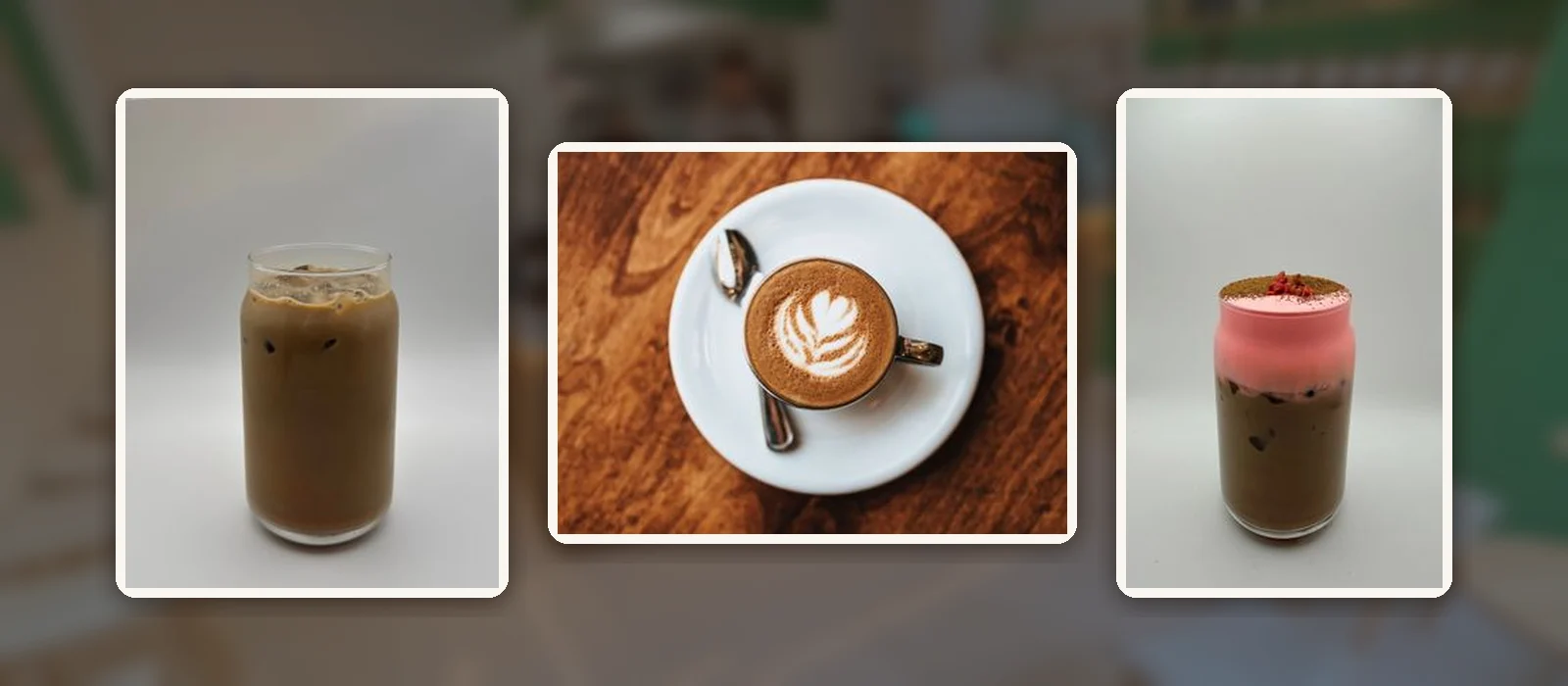
A hot latte⇄Try
Hot Hojicha Latte ($7.50)
Same comfort and steamed milk, with roasted tea in place of espresso.
An iced latte⇄Try
Roast Lab Hojicha ($7.75)
Roasted green tea over ice with toasted caramel notes.
A sweet cloud drink⇄Try
Hojicha Strawberry Nimbus ($7.95)
Toasty hojicha latte under a strawberry cloud made with real strawberries.
A second coffee at 3 PM⇄Try
Hot Hojicha Latte ($7.50)
A gentler choice for the afternoon slump.
How to Make Hojicha at Home
Hojicha is forgiving: because roasting removes most of the bitterness, it is hard to ruin. Two easy ways, based on the brewing guide from Morii Tea:
Loose-leaf hojicha
1 cup · about 2 minutes
You need
- 3 g loose-leaf hojicha (a heaped tablespoon)
- 200 ml water at about 90°C, just off the boil
- A teapot or a mug with a strainer
Steps
- Heat the water and let it rest a moment off the boil.
- Pour it over the leaves and steep for 30 to 60 seconds.
- Strain and pour out every drop.
- Use the same leaves again for a second cup; steep a little longer.
Hojicha latte
1 drink · about 3 minutes
You need
- 2 g hojicha powder (about 1 teaspoon)
- 50 ml hot water
- 150 to 200 ml milk, warm or cold
- A small whisk or milk frother
Steps
- Sift the powder into a cup so it does not clump.
- Add the hot water and whisk until smooth.
- Pour in steamed milk for a hot latte, or cold milk over ice.
- Taste first; add sweetener only if you want it.
For a cold version, steep about 10 g of leaves in 1 liter of cold water in the fridge for 6 to 8 hours. It keeps for about two days.
How to Choose Good Hojicha
Hojicha Beyond the Cup
Because its flavor sits somewhere between tea, toast and caramel, hojicha has become a favorite ingredient in sweets. In Japan and now in cafes everywhere, you will find it in ice cream, cookies, muffins, pudding, brownies and even hot chocolate. The roasted notes pair especially well with milk, cream, brown sugar and chocolate, which is why the latte is still the most popular way to try it.
Hojicha at Origin Lab
We serve three hojicha drinks, all made with real roasted green tea powder. They come unsweetened unless you ask, and agave or vanilla is free on any hojicha drink.
Plant milk works well with hojicha, and many people like oat milk with it for its own toasty sweetness. It is $0.75 extra, with almond, soy and coconut also available. Hojicha also pairs nicely with something cold and sweet; a hot hojicha latte next to our matcha soft serve lets you taste roasted and fresh green tea in one sitting. For more warm drinks on a gray day, see our guide to hot drinks in San Francisco.
Smell the roast for yourself
Origin Lab Coffee & Matcha
211 Sutter St (corner of Kearny), San Francisco, CA 94108
Sun to Thu 6 AM to 8 PM · Fri and Sat 6 AM to 9 PM · open on holidays
Frequently Asked Questions
What is hojicha made of?
Hojicha is made from Japanese green tea leaves, usually bancha from the later harvests, though some versions use sencha or the stems and twigs of the tea plant. The leaves are roasted at about 150°C until they turn reddish brown.
How do you pronounce hojicha?
Say it HOH-jee-chah. In Japanese it is written ほうじ茶, which means roasted tea; you will also see it spelled houjicha or hōjicha.
Is hojicha caffeine-free?
No. Hojicha is made from the tea plant, so it has caffeine, just less than many people expect from tea. Brewed hojicha has about 20 mg per 100 ml in Japan's official food tables, the same as sencha and about a third of brewed coffee.
How much caffeine is in a cup of hojicha?
About 20 mg per 100 ml when brewed, so roughly 50 mg in a 250 ml cup. A latte made with hojicha powder can differ, because you drink the whole ground leaf rather than a steeped infusion.
What is a hojicha latte?
A hojicha latte is roasted green tea powder whisked with a little hot water and topped with steamed milk. It tastes toasty and nutty, a little like caramel, and is a popular coffee-free alternative to a latte.
Is hojicha powder the same as loose-leaf hojicha?
They come from the same roasted tea. Loose-leaf hojicha is steeped and the leaves are thrown away, while hojicha powder is the leaf ground fine, so you drink all of it. Powder is what cafes use for lattes.
How do you make hojicha at home?
Steep about 3 g of loose-leaf hojicha in 200 ml of water at about 90°C for 30 to 60 seconds. For a latte, whisk 2 g of hojicha powder into 50 ml of hot water, then add 150 to 200 ml of warm or cold milk.
Is hojicha good for people who drink coffee?
Yes, it is one of the easiest teas for coffee drinkers to like. Roasting gives it the toasty, nutty notes people enjoy in coffee, without coffee's bitterness, and a brewed cup has about a third of the caffeine.
Is hojicha made in Kyoto?
Hojicha is grown and roasted in several parts of Japan today, but its story starts in Kyoto, where a tea merchant is said to have first roasted unsold bancha in 1920.
Where can I get a hojicha latte near Union Square?
Origin Lab Coffee & Matcha at 211 Sutter St, about 6 minutes on foot from the Union Square plaza, serves a Hot Hojicha Latte ($7.50), an iced Roast Lab Hojicha ($7.75) and a Hojicha Strawberry Nimbus ($7.95) from 6 AM every day.
Toasty, gentle and easy to love: come try hojicha at 211 Sutter St, from 6 AM every day.